
Simulating Parkinson's: Using Electronics to Build Empathy
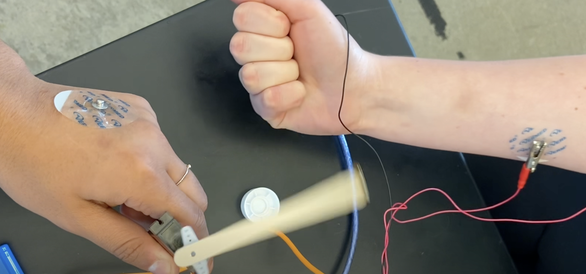
This lab activity takes students on a unique journey through the world of neuroscience and engineering to explore the complex nature of Parkinson's Disease. Students will simulate the motor symptoms of Parkinson's Disease firsthand by experiencing disruptions in motor control aimed to foster empathy for those living with the condition. Integrating biochemistry, neuroscience, and engineering principles, this lesson is a powerful tool for inspiring the next generation of scientists and empathetic individuals.
Click here for access to all lesson resources.
Related reading
5E Lesson Example: Cellular Respiration w/Crosscutting NGSS Integration.
CYCLES OF LEARNING
Read →Exploring Fentanyl's Risks: Using Chemistry to Imitate the Brain's Protective Layer
This lab activity directly tackles a pressing issue: the opioid crisis, with a spotlight on fentanyl, one of the most potent and problematic drugs out there. This isn't just any experiment; it's a...
Read →Empowering the Visually Impaired: Innovations with Arduino Uno in Assistive Technology
My high school students are creating assistive devices for visually impaired individuals using the Arduino Uno platform. This project focuses on developing innovative digital mobility aids, utilizing.
Read →