
Exploring Fentanyl's Risks: Using Chemistry to Imitate the Brain's Protective Layer
This lab activity directly tackles a pressing issue: the opioid crisis, with a spotlight on fentanyl, one of the most potent and problematic drugs out there. This isn't just any experiment; it's a timely exploration of a topic that's as relevant as it is serious, using a creative setup to model the brain's defense mechanisms against substances like fentanyl.
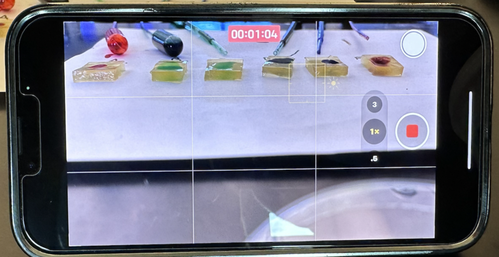
Using simple materials to simulate the blood-brain barrier, we'll uncover why fentanyl is particularly adept at breaching this protective boundary. It's a hands-on way to grasp the complex science behind drug interactions and their impact on the brain. I'm aiming to strike a balance here, keeping it professional, yet approachable, ensuring we all grasp the gravity of the opioid epidemic while engaging with the chemistry that underlies it.
This lab is more than an educational exercise; it's a chance to connect classroom learning with real-world challenges and tackle this topic head-on, learn together, and shed light on the science behind opioid toxicity.
Click here for access to all lesson resources
Related reading
Simulating Parkinson's: Using Electronics to Build Empathy
This lab activity takes students on a unique journey through the world of neuroscience and engineering to explore the complex nature of Parkinson's Disease. Students will simulate the motor...
Read →5E Lesson Example: Cellular Respiration w/Crosscutting NGSS Integration.
CYCLES OF LEARNING
Read →Structure for Authentic Reading in My Biology Class.
Biology, Literacy, Google Docs, Spreadsheet, Reading, Medicine.
Read →