Cycles of Learning

Chemistry and Biology Tutoring

Inorganic, organic, and biochemistry, plus biology.

Over Zoom, for high school and college students.

Subjects

High school and college

General and AP Chemistry

Stoichiometry, bonding, equilibrium, acids and bases, and the problem-solving habits the AP exam rewards.

College

Organic Chemistry

Mechanisms, stereochemistry, and reactions, taught as a system you can reason through rather than a list to memorize.

High school and college

Biochemistry

Structure and function, enzymes and kinetics, metabolism, and the chemistry underneath the biology.

High school and college

Biology and AP Biology

Cells, genetics, physiology, and neuroscience, with the reasoning and writing that free-response questions demand.

The approach

The same approach as Spark Learning, for one student.

Curiosity first

We start with the question you actually have, not chapter one. The stuck point is the way in.

Competency, not hours

We stay on a skill until you can do it without me, then move on. Your session page keeps track of what you can now do.

How it works

Step 1

Book a time

Pick a time that works for you. Sessions run on Zoom, in your own time zone.

Step 2

Meet on Zoom

We work through your actual homework and the problems your professor writes.

Step 3

Get your session page

Within a day you get a private page: a clean summary, the recording, and matched videos. It grows with every session.

What a session page looks like

One card from a current organic chemistry student's page, name left off.

Session 8 · September 23, 2026

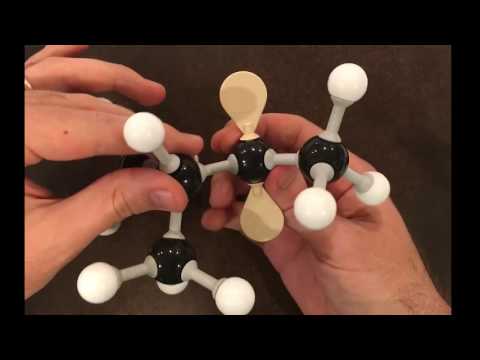
Alkene and alkyne reactions, made systematic

Session summary

The core rules

  • Carbocations are stabilized by substitution and resonance. More carbon neighbors, or a lone pair or π bond next door, means a more stable cation.
  • Mechanism arrows always move from an electron-rich region toward a positive center.
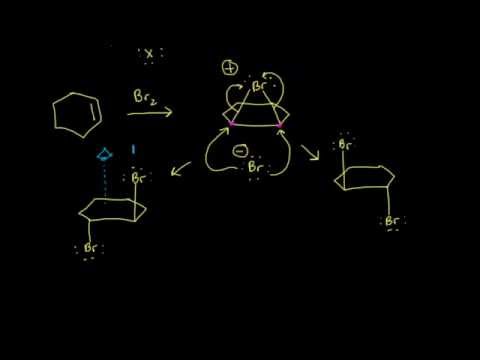
  • Syn addition puts both new groups on the same face. Anti addition puts them on opposite faces. When you reduce an alkyne, that is what decides Z versus E.

Reagent cheat sheet

  • H2, Pd removes the π bonds completely. An alkyne goes all the way to the alkane.
  • H2, Lindlar catalyst stops at the alkene. Syn addition gives the Z alkene.
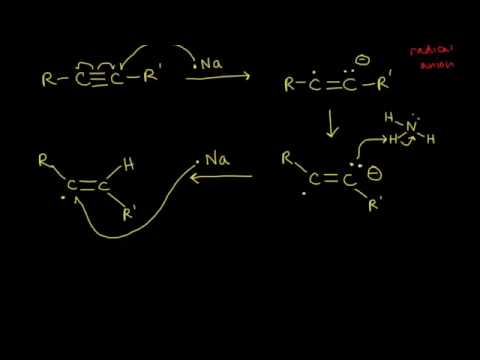
  • Na, NH3 also stops at the alkene, but anti addition gives the E alkene.

Markovnikov, again

  • Place the hydrogen so that the more stable carbocation forms.
  • Everything else in the mechanism follows from that one decision.

The framework for every one of these

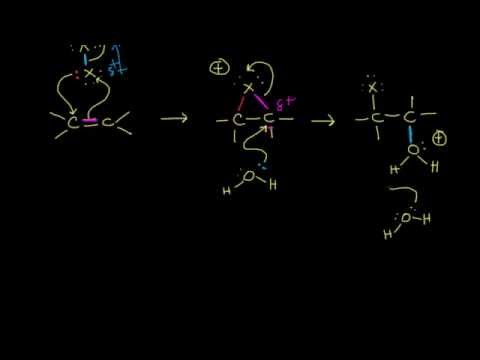
  • Form the most stable carbocation.
  • Attack it with an available lone pair.
  • Neutralize the charge.

Before next session

  • Finish problems C, F, and #4 and send them to me by Thursday for feedback.
Watch the recording, part 1Watch the recording, part 2Recordings are private to the student.

Ways to work together

Single session

One hour on the topic that is stuck. Good before a quiz, or to find out whether we work well together.

Standing weekly slot

The same time each week for the length of the course. This is how most of my students work with me.

Exam sprint

Three or four sessions in the two weeks before a midterm or final, built around the material on the test.

Book a session

Tell me the course, where you are in it, and when your next exam is. I reply within a day with rates and a first available time.

Questions

What time zone are you in?
Pacific. I work with students on both coasts and schedule in your time zone.
Are sessions recorded?
Yes, so you can rewatch. The recording lives on your private session page and nowhere else.
I am under 18. Can I book?
A parent or guardian books the first session and gets my contact information. After that, you and I work directly.
What should I bring?
Your notes, the problem set or exam you are working toward, and the questions you could not answer. The more real the material, the better the session.

Working with a school or district instead? See consulting.