Public Products, PBL
Central to the PBL Cycle (see Buck Institute for Education for more info), is the "Public Product" as a final showcase of learning. See image below:
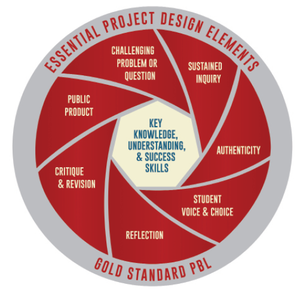
Transcending PBL, I have been tinkering with the concept of a "Public Product" and how to authentically do this in my class beyond a blog post, google document, or the myriad ways I have had students showcase their products to real audiences beyond the walls of our school. All efforts felt/feel forced.
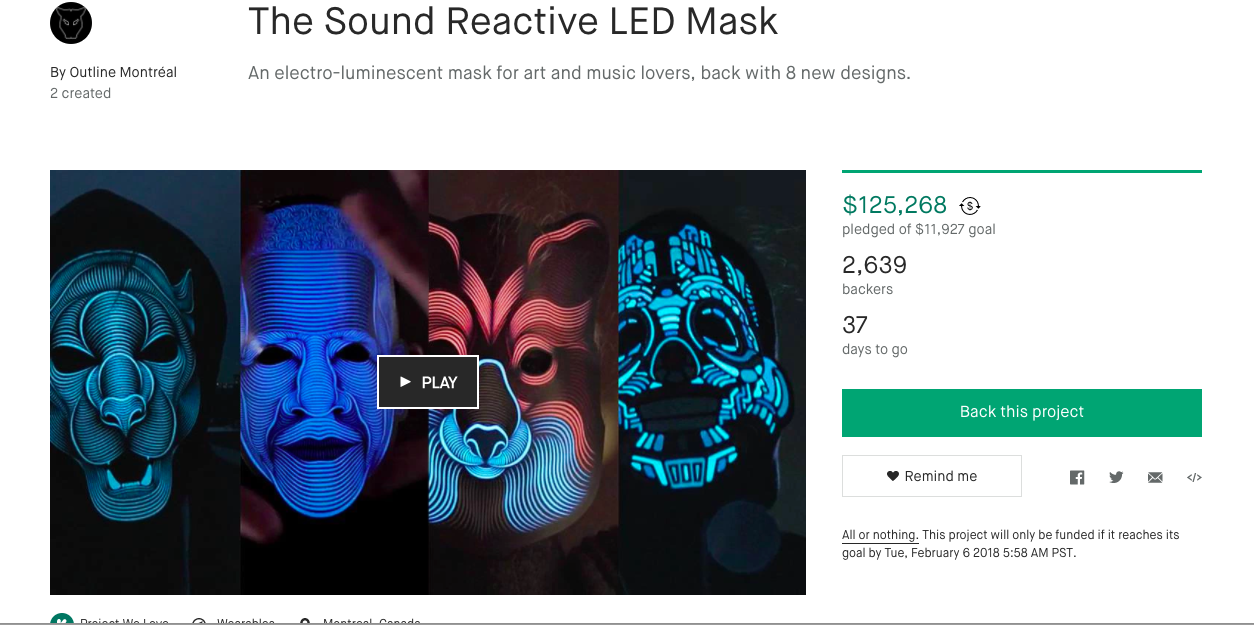
In my Introduction to Robotics class, students presented their final inventions in a museum-style showcase for teachers and parents. I also showed pitch videos from Kickstarter and challenged students to create a campaign-style video for their invention.
Albeit a hypothetical scenario, by starting with actual videos that contain real dollar amounts raised visible next them, the reality and power of showing your work in beautiful an meaningful ways online was evident. See a sample screenshot from a sample Kickstarter project below. Click here for the pitch video.
To be honest, 5 minutes showing my students pitch videos from Kickstarter empowered them to produce amazing public products more than any rubric, speech or guest lecture I have prepared for them. The final showcase was amazing and their pitch videos, although rough drafts done on via their phone cameras in one class period, embodied and relayed a feeling of potential.
The final products included an Arduino ultrasonic cane designed for a person with a visual impairment.
Keep reading
New writing, when there is something worth sharing.
Notes on curiosity, inquiry, science teaching, and building the lesson.
No spam. Unsubscribe anytime. Prefer RSS?
Related reading
8 Awesome Inquiry Lesson Cycles!
A few weeks ago I had the pleasure of working with the science educators at D211 in Chicago's Northwest Suburbs. As part of the workshop, all teachers were challenged to work in discipline specific...
Read →From Flame Tests to Lasers: Extending Inquiry in Atomic Structure
Every year I begin chemistry with the flame test lab. It is a simple and colorful way for students to wonder about electrons. They see different salts burn with different colors, and they start...
Read →Current Thoughts on Distance Learning Science Engagement
Four current strategies on science pedagogy in the distance learning setting.
Read →